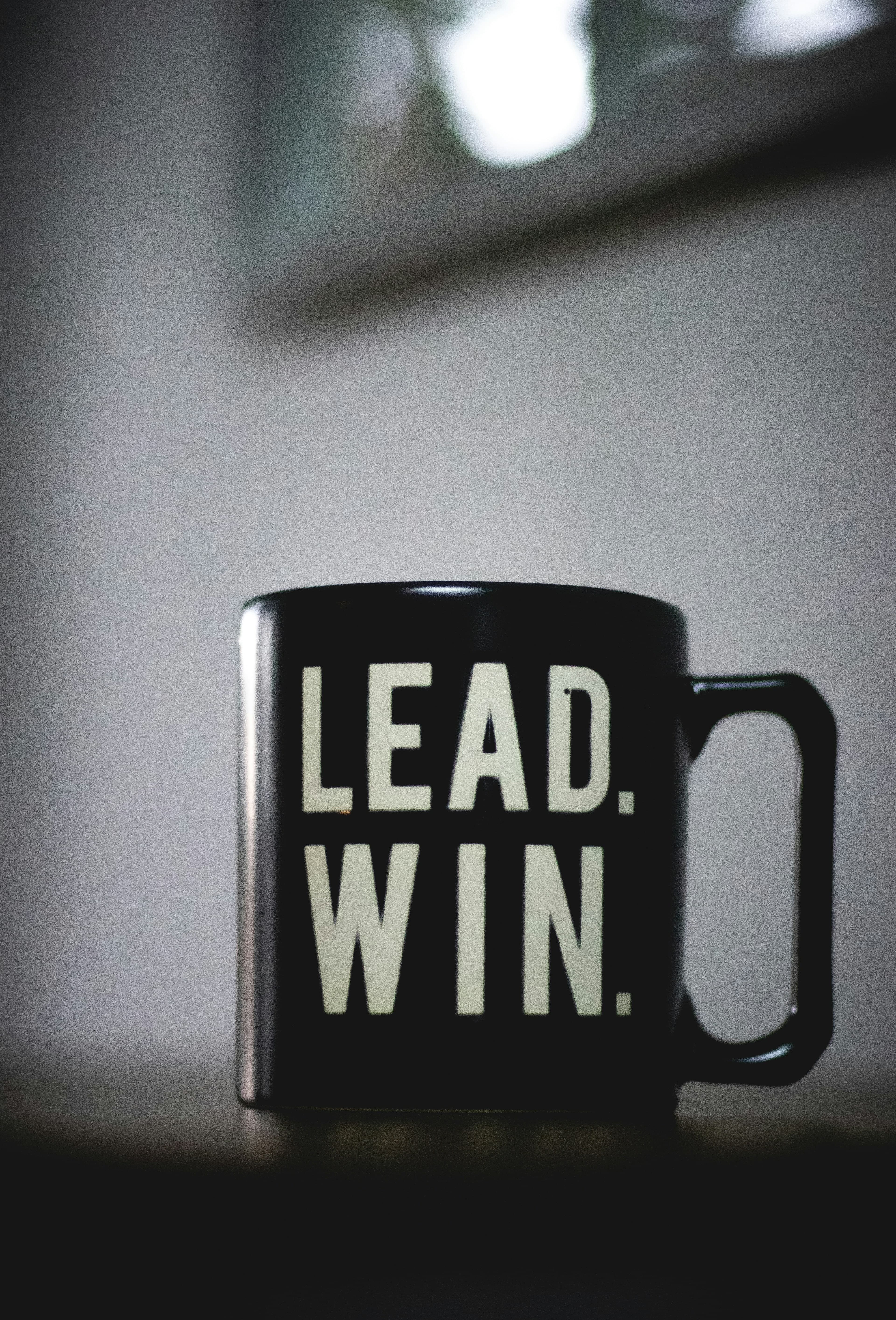
For a long time I thought leadership was mostly about vision — the ability to see further down the road than everyone else and point confidently in that direction. I've since come to think that's a small and somewhat overrated part of it. The bigger, less glamorous part, the part nobody puts on a conference slide, is this: leadership is mostly about absorbing uncertainty on behalf of other people so they can keep working without carrying all of it themselves.
I noticed this clearly the first time I was in the room when a project genuinely might not ship. Not a schedule slip — an actual, live possibility that months of work would not come together in time, with real consequences attached. The engineers in that room were good, capable people, and what they needed from me in that moment was not a rousing speech about resilience. What they needed was for someone to sit with the full, ugly shape of the uncertainty — every worst-case branch, every dependency that might not land — so that they could go back to their desks and just solve the next concrete problem in front of them, without also carrying the weight of not knowing whether any of it would matter.
That's a strange kind of labor. It doesn't show up in a commit history. Nobody sees the two hours you spent turning a shapeless, anxiety-inducing risk into three specific, nameable scenarios with a plan attached to each. But I've come to believe it's the actual center of what people mean when they say someone is a good leader, as distinct from someone who is simply good at their job. The engineer who is good at their job solves the problem they can see. The leader's job, more often than people admit, is to go looking for the problems nobody can see yet and hold them until they're small enough to hand off as normal work.
This has a cost, and I want to be honest about it rather than romanticize it. Absorbing other people's uncertainty for a living means you are frequently carrying two or three unresolved, high-stakes unknowns at once, quietly, while outwardly behaving as though everything is under control — because it usually needs to look that way for the team to function. I used to think that composure was a kind of performance, even dishonesty. I think about it differently now. It's closer to a doctor's calm in an emergency room. The calm isn't fake. It's a professional skill, developed over time, that lets you function clearly inside situations that would otherwise be paralyzing.
The mistake I made early on, and I see other people making it too, is trying to solve this by getting better at predicting the future — reading more, planning further ahead, trying to eliminate the uncertainty itself. That's a losing game. The uncertainty in any sufficiently ambitious project is not a bug you can engineer away. It's a structural feature of doing anything that hasn't been done exactly this way before. What actually helped was learning to get comfortable operating without full information, making the best available decision with what I had, and being willing to be wrong in public and correct course quickly, rather than trying to be right the first time.
There's a particular moment I come back to. A team I was advising had built something technically excellent that the market simply didn't want, and everyone in the room knew it before anyone said it out loud. The temptation in that moment is enormous — to protect morale, to avoid the hard conversation, to let the uncertainty about what to do next just sit there unaddressed while everyone quietly keeps working on something doomed. The harder and, I think, more respectful thing was to name it plainly: this isn't working, here's what we actually know, here's what we don't, here's the decision we need to make together. People can handle bad news. What erodes trust is bad news arriving late, filtered, or not at all.
If I had to compress what I've learned into something useful for someone earlier in this than me, it would be this: you don't need to have the answers before people will trust you to lead. You need to be willing to sit inside the not-knowing without passing your discomfort about it directly onto the people depending on you, and to tell the truth about what you don't know as clearly as you tell the truth about what you do. That's a smaller, more human definition of leadership than the one I started with. It's also, I think, the one that actually holds up under pressure.